

Life Transition Therapy
Major change can leave you feeling untethered, even when part of the change is something you chose or expected.
Courageous Healing PC offers life transition therapy for people navigating grief, identity shifts, relationship changes, caregiving stress, empty nesting, divorce, health-related uncertainty, and other moments when life no longer feels familiar. Therapy is a place to slow down, name what has changed, and begin building a way forward that honors your whole experience.
If you are trying to hold everything together while quietly wondering who you are becoming, support is available.


When life changes more than you expected
Some transitions look clear from the outside. A marriage ends. A child leaves home. A loved one becomes ill. A role you once knew disappears, expands, or becomes too heavy to carry alone. Inside, these changes can feel layered, confusing, and difficult to explain.
Therapy for major life changes gives you space to process both the visible facts and the private emotional impact. You may be managing logistics, caring for others, making decisions, or showing up at work while also carrying sadness, resentment, guilt, fear, relief, anger, or numbness. None of those responses make you weak or ungrateful. They are signs that something meaningful is shifting.
Life transition therapy can be especially helpful when you are dealing with:
A divorce, separation, or major relationship change
The death of someone close to you
Anticipatory grief related to illness, decline, or expected loss
Caregiver stress, burnout, or role fatigue
Empty nest changes after children leave home
Retirement, career change, relocation, or identity disruption
Family estrangement or changing family responsibilities
A new diagnosis, chronic illness, or change in physical ability
The feeling that life looks fine but no longer feels like yours
A therapist for life transitions can help you make sense of what is happening without rushing you toward acceptance before you are ready.

Loss can take many forms
Loss is not limited to death. You can grieve a person, a relationship, a future you imagined, a version of yourself, a sense of safety, or a role that once gave your life structure. Grief and loss therapy makes room for these experiences without requiring you to prove that your pain is serious enough.
You may be grieving something other people do not fully recognize. Empty nest therapy can support parents who feel proud of their children and deeply disoriented at the same time. Caregiver therapy can support people who love the person they care for but feel exhausted, trapped, invisible, or afraid of what comes next. Therapy for divorce can help you process not only the relationship ending, but the identity, community, routines, and dreams connected to it.
Anticipatory grief can be especially complicated because the loss has not fully happened yet, but your heart and body may already be responding. You might feel on alert, preparing for bad news, grieving small changes, or struggling with guilt when you need rest. Therapy does not require you to choose between hope and grief. Both can be present.
Common signs that loss is asking for attention include:
Feeling emotionally numb, detached, or overwhelmed
Moving between sadness, anger, guilt, and relief
Having trouble sleeping, focusing, or making decisions
Avoiding reminders or feeling flooded by them
Feeling isolated because others seem to have moved on
Questioning your identity, purpose, or next chapter
Feeling responsible for everyone else's emotions
Your loss does not need to look dramatic to deserve care.

How life transition therapy can support you
Therapy for life transitions is not about forcing positivity or telling you to move on. It is about helping you understand what this change means, how it is affecting your nervous system and relationships, and what kind of support you need while you adapt.
At Courageous Healing PC, sessions can help you slow down the constant mental sorting that often comes with change. Together, you can identify what is within your control, what needs to be mourned, what boundaries may need to shift, and what values can guide your next steps. Therapy can help you listen to distress with compassion and clarity instead of treating it as something to suppress.
Support may include:
Naming the emotional impact of a transition without minimizing it
Exploring grief, anger, fear, relief, regret, or uncertainty safely
Building coping strategies for difficult days, decisions, or conversations
Strengthening boundaries with family, partners, work, or caregiving demands
Reconnecting with identity after a role or relationship changes
Preparing for anticipated loss while staying present in the life you have now
Reducing isolation by saying the honest things you may not say elsewhere
You may come to therapy because your adult child has moved out and everyone tells you to enjoy the freedom. What you feel may be a mix of pride, loneliness, anxiety, and a quiet panic about what your days are supposed to mean now. Therapy gives that experience room, so you can grieve, reconnect with yourself, and begin creating rhythms that feel grounded rather than forced.
A therapy approach that makes room for your whole experience
Life changes rarely affect only one part of life. Divorce can affect finances, friendships, parenting, faith, body image, and trust. Caregiving can affect career, sleep, marriage, health, and patience. Grief can change how you relate to time, memory, holidays, decision-making, and other people's expectations.
Courageous Healing PC approaches this work with respect for the full context of your life, including relationships, identities, responsibilities, histories, and pressures that shape how you experience change. You do not have to arrive with one clear problem or a polished explanation.
Constance incorporates narrative approaches, somatic approaches, mindfulness, solution-oriented work, self-exploration, and journaling when it is helpful. In practice, that might look like making meaning of what happened, noticing how stress shows up in your body, exploring the stories you learned about who you have to be, and identifying small, realistic steps that support you where you are.
Affirming care that recognizes all of who you are
Your transition does not happen in a vacuum. Culture, family expectations, gender roles, sexuality, race, faith, disability, community, and lived experience can all shape what change means and how safe it feels to ask for help.
Courageous Healing PC offers a therapeutic space where you can bring the parts of yourself that often get edited out. Therapy can help you notice how your context affects coping, choices, relationships, and your sense of possibility.
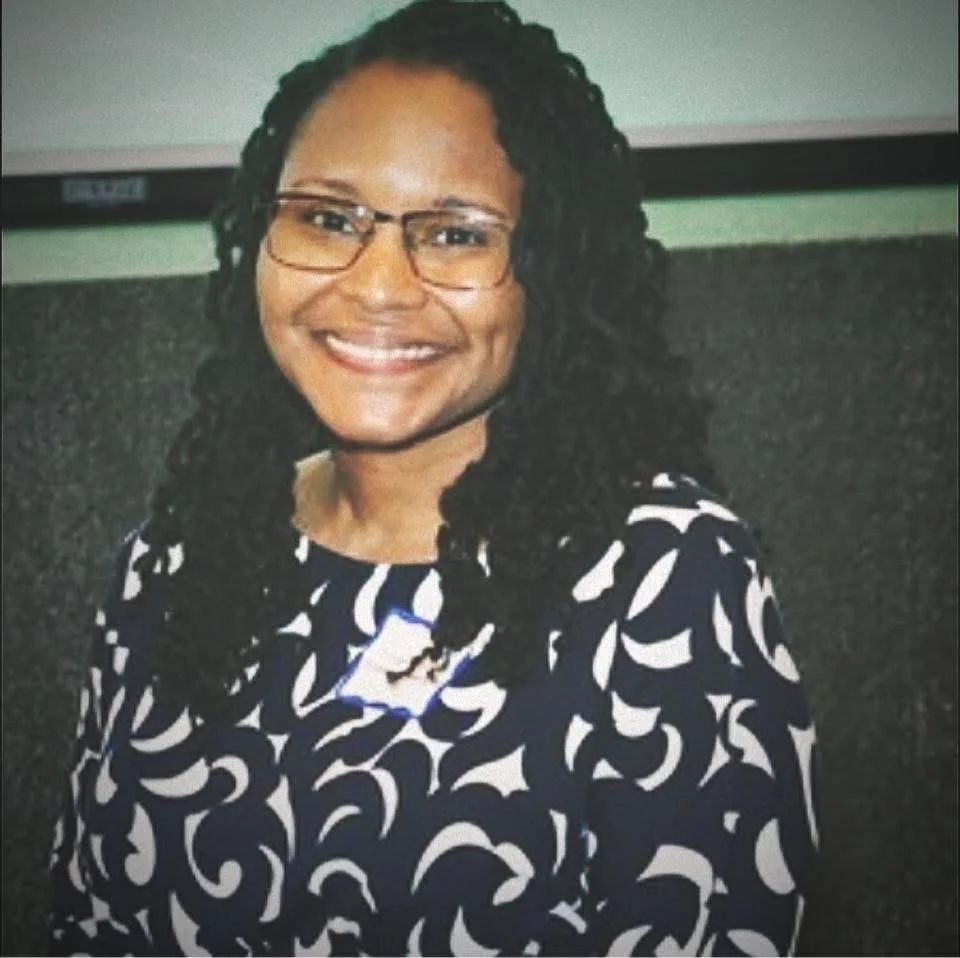
Constance McConnell
Constance McConnell supports clients moving through painful, complicated, or identity-shifting seasons of life. Her work with life transitions centers the reality that change can bring more than one emotion at once. You may feel grief and relief, fear and hope, love and resentment, clarity and confusion. Therapy gives those truths room to exist together.

“Constance has been professional and truly committed to my healing journey since I’ve attained her services. I was stunned at how comfortable I was made doing something that could be very intimidating and vulnerable. And I will continue to benefit from her services for as long as they are available!”
-Marcus H.
What Getting Started Looks Like

-
Schedule a complimentary consultation. Choose a time to connect and share what is bringing you in.
-
Talk through fit, needs, and logistics. Ask questions and decide whether this feels like the right support. If you have questions about insurance, self-pay, or costs, visit the Pricing page.
-
Decide on next steps. If it feels like a good fit, we can discuss starting therapy. You can also explore the Services page for an overview of support options.